
An autumn self-care routine can start with one small thing you enjoy, rather than another task to complete.
Choose an idea that fits your time, preferences and circumstances. Try it without expecting a particular result, and leave out anything that does not feel right for you.
Start with five minutes after an existing daily habit: for example, a short walk after lunch or a few pages of a book before bed. Try the same small action for a week, then decide whether to keep it, change it or stop. Missing a day does not mean starting over.
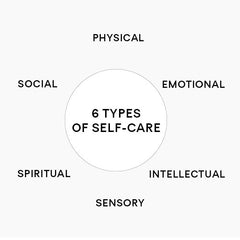
(1) PHYSICAL SELF-CARE
Start with everyday needs and what is manageable for you. But this at the same time shouldn’t mean you are forced to set-up a new workout routine for instance - it’s the simple things:
- drink more water
- eat your daily portion of veggies & fruits
- follow any medical advice relevant to your own circumstances
- stretch in the morning and before bedtime
- go for a walk in your lunch break
- find a sleeping routine and make sure you're getting enough sleep
(2) EMOTIONAL SELF-CARE
Emotional self-care can include making space to notice your feelings. You might write a few lines about your day or pause before agreeing to another commitment. You do not need to solve every feeling in one sitting.- dedicate time to unplug from technical devices
- write down your feelings, journal
- practice meditation & set an intention for the day
- learn to say ‘no’ to people/things/activities, that affect you negatively
(3) SPIRITUAL SELF-CARE
Spiritual self-care goes one step further - it’s all about the bigger picture. Establish beliefs and values that guide your life and nourish your soul. For some this may be religion, but for others there are different approaches to find purpose and meaning in life. These are ways to live spiritual self-care:- spend time in nature
- meditate
- write a gratitude journal
- volunteer for local services
(4) INTELLECTUAL SELF-CARE
This type of self-care includes your individual growth - nourish your mind by engaging with new topics or evolve your knowledge in one of your interests.- hear podcasts
- read a book
- take a course on something you were always fascinated about, e.g. pottery/yoga/dance/sewing
- watch a documentary on a topic you’re interested in
(5) SOCIAL SELF-CARE
Choose the amount and kind of social contact that suits you. A brief message to someone you trust may be more realistic than arranging a gathering. Ideas to consider:- talk to the barista of the coffee shop you always grab your coffee in the morning
- catch up with an old friend
- organize a family get-together
- spend time with loved ones
(6) SENSORY SELF-CARE
Sensory self-care can simply mean noticing something you enjoy seeing, hearing, smelling, tasting or touching. Choose a comfortable experience without expecting it to change your stress level or sleep.- spending time in nature, enjoy the wide view and breathe in deeply
- listen to a fall playlist
- choose comfortable lighting for a few quiet minutes with music or a book
- enjoy a hot tea
- take a hot shower or bath
- choose clothing that feels comfortable to you, such as pieces from the RADICE silk collection

Keep your routine small enough for an ordinary day. On a busy day, shorten it to one minute or skip it; on a quieter day, give it more time if you want to. These are everyday ideas, not a treatment or a promise of better health. If distress or sleep difficulties persist, seek appropriate professional support.


